
In today’s era of business automation, it is next to impossible for enterprises to manage their processes efficiently without advanced software solutions. One such product is Arca Evolution, which is provided by the Italian company Wolters Kluwer. This flexible ERP system can be smoothly integrated into the existing workflows and enhance data management in all functional areas of companies. It is pleasing to know that DHTMLX Grid is a part of this solution. Today, we met with Daniele and Fabio, members of the development team, to discuss the role of our JavaScript Grid component in the project and their experience with it.
Hello Daniele and Fabio, thank you for accepting our invitation for the interview. First, please tell us about your company’s project and your role in it.
We are software developers at Wolters Kluwer. We are working on a project called Arca Evolution. It is an on-premise ERP solution for small and medium-sized enterprises. This system helps companies handle a wide range of processes, such as orders, invoices, accounting records, etc. The main strengths of our product are customization, simplicity, and configurability. It is easy to adapt our product to any changes in users’ business processes.
What convinced you to choose DHTMLX over other UI components?
A year ago, we received a request to implement a data table with a tree grid mode in our project. DHTMLX Grid proved suitable for this task. Your component is well-documented and has many useful live samples. These factors helped us make a choice in favor of DHTMLX.
What exactly did you accomplish with DHTMLX?
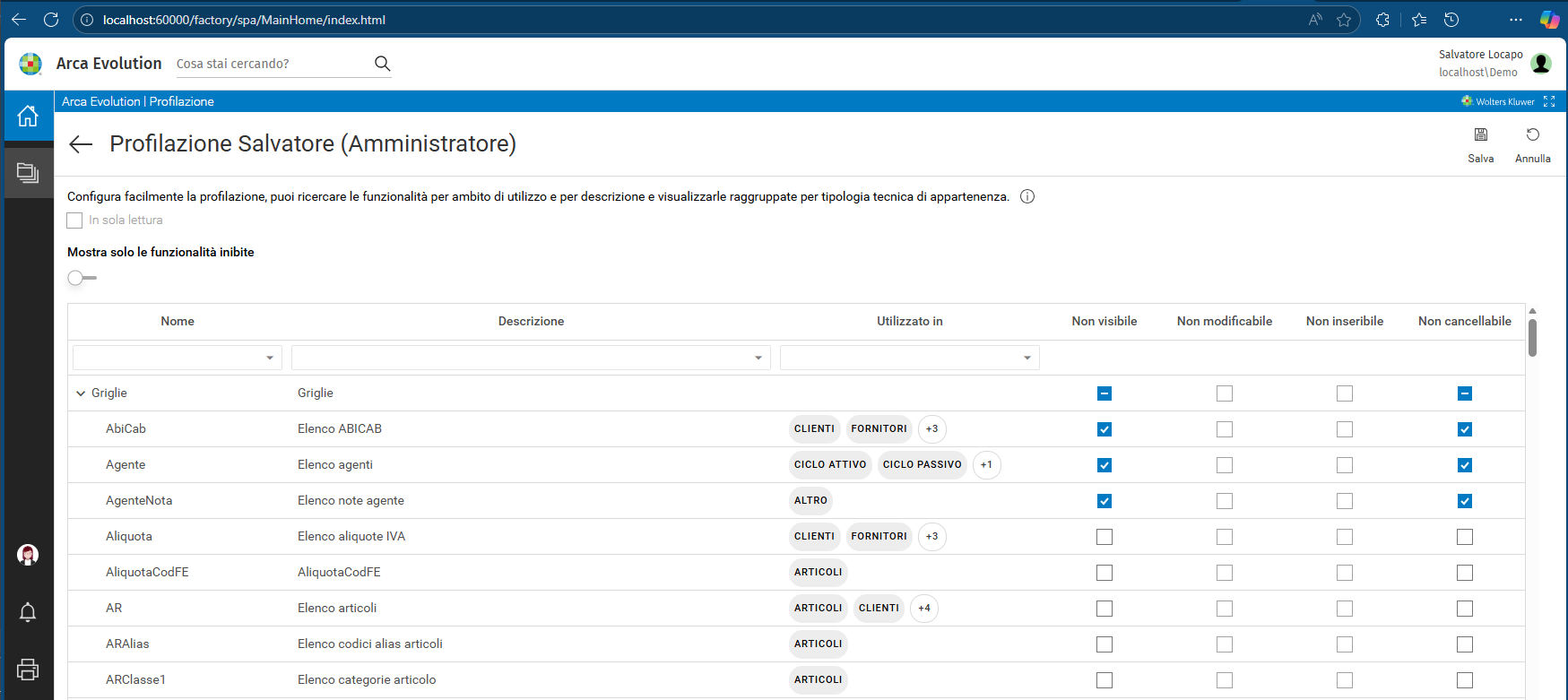
Our product has a dedicated section, where the administrator can manage access control and permissions for ERP application sections for users. The grid component (tree grid mode) provides a structured, tabular view of all configurable sections and their associated permissions across roles. The administrator can toggle checkboxes, apply bulk changes, and validate configurations directly within the grid. Once changes are confirmed, the system updates role-based access rules and persists them in the security configuration database. The grid supports sorting, filtering, and inline editing to streamline permission management.
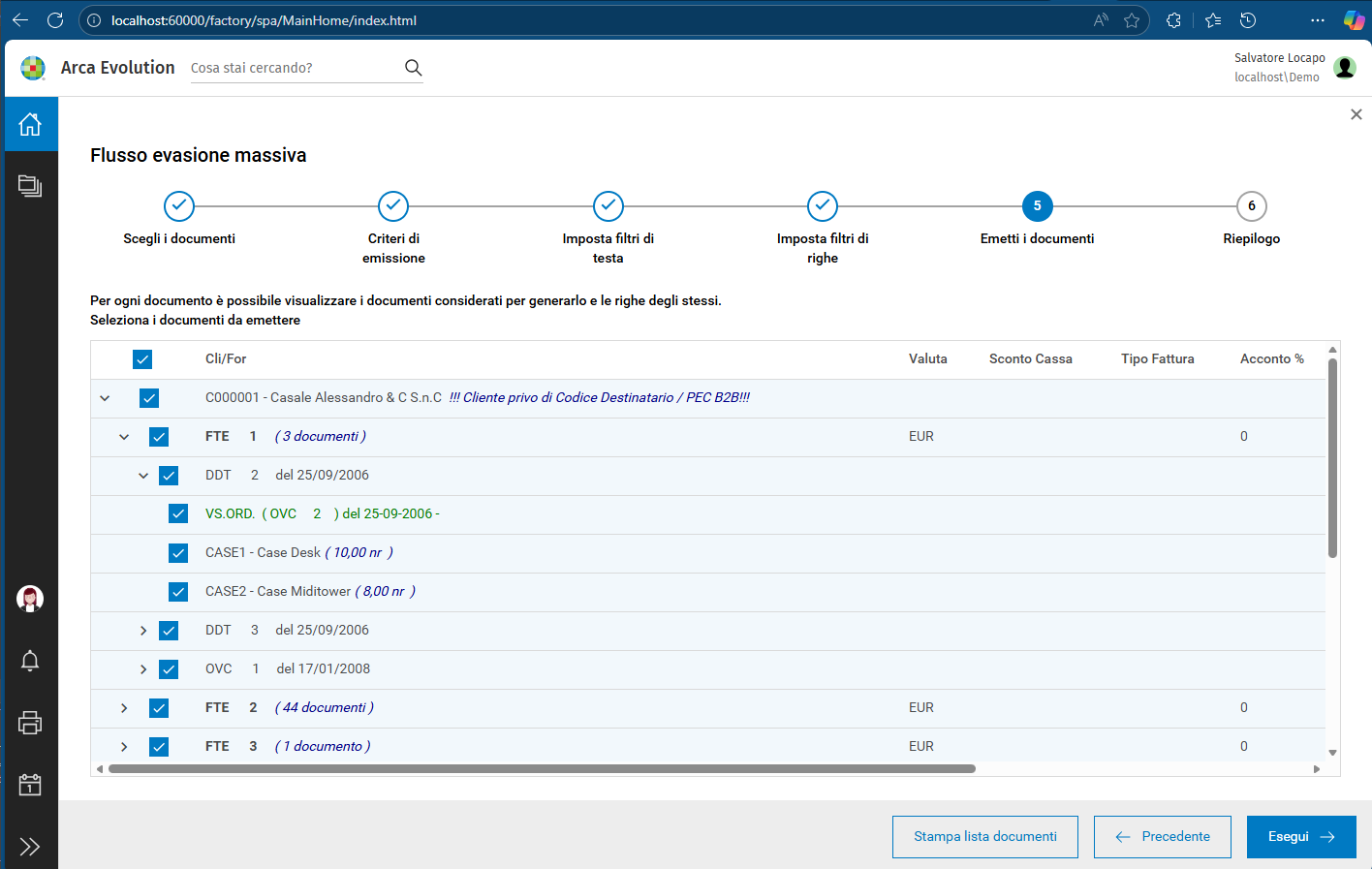
The DHTMLX Grid is also used to display a dynamic, interactive preview of the filtered documents, including key details and row-level information. From this grid, the user can review, refine selections, and confirm the batch operation. Once confirmed, the system triggers an automated process that generates the corresponding target documents (e.g., invoices, delivery notes, credit memos) in bulk. The grid provides real-time feedback on the selection and supports sorting, grouping, and validation indicators to ensure accuracy before execution.
Did you face any challenges when implementing DHTMLX Grid?
As has been mentioned, you have detailed documentation, and we managed to find answers to all the questions that emerged during the implementation. The samples are very good as well. It helped us build the solution in a short time. The only functionality that required more time was a drop-down section with multiple options, where users can choose the main area for specific functions.
Do you have any recommendations for improving our UI component?
At the moment, a useful function would be the possibility of programmatically setting the list of options available in the combobox column filter. For a specific column in our dataset, we have an array of strings as values, and we need to display in the combobox filter the list of distinct values retrieved from this column in the dataset.
Which frontend and backend technologies are used in your project in combination with the DHTMLX component?
On the frontend, we use JavaScript, TypeScript, and an in-house-made library that facilitates the development of SPAs. The backend is based on .NET and Node.js APIs.
Thank you very much for this insightful conversation. We wish you all the best and hope that DHTMLX will help you achieve new heights in the future.
Our gallery offers many other success stories from DHTMLX customers.